Cheque Dishonour By Trust: Supreme Court Holds Complaint Maintainable Against Signatory Trustee Alone
ट्रस्ट के चेक बाउंस का मामला: सुप्रीम कोर्ट ने कहा, ट्रस्ट को आरोपी बनाए बिना भी हस्ताक्षरकर्ता ट्रस्टी पर केस चलेगा
LEGAL MINUTE INDIA
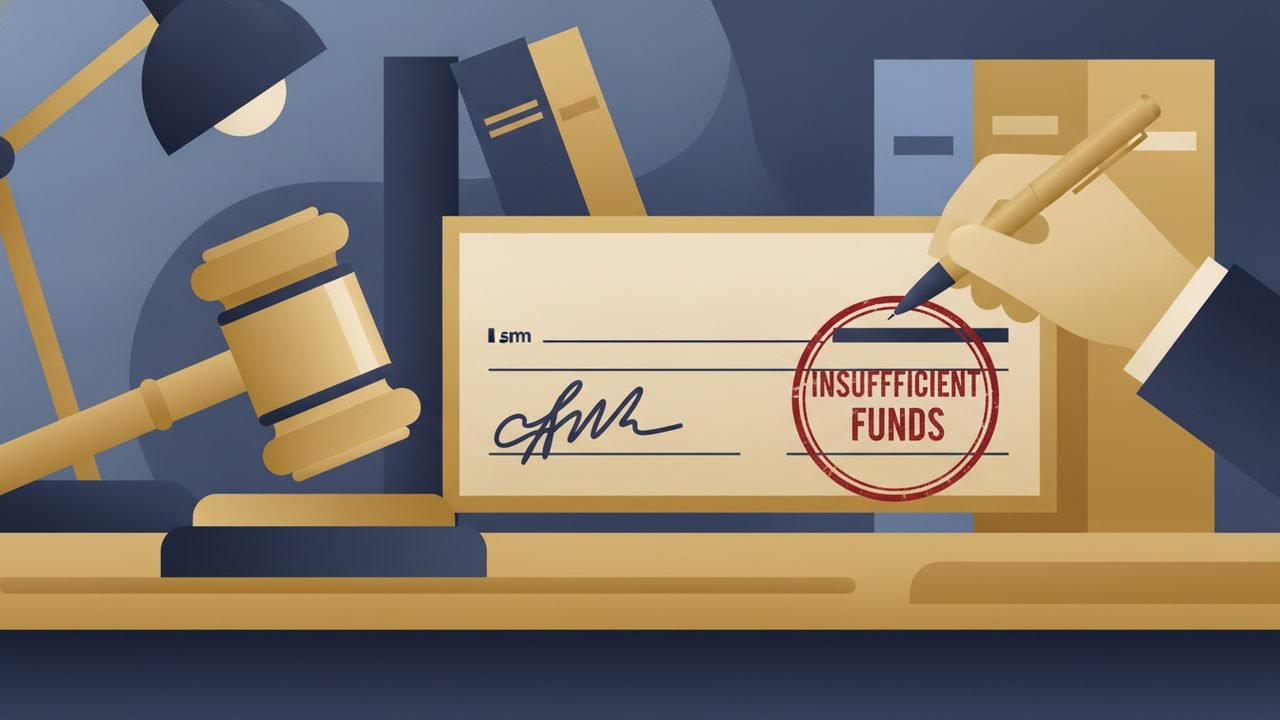
The Supreme Court has set aside a High Court judgment that had quashed a criminal cheque dishonour case against the chairman of a trust, holding that a complaint under the Negotiable Instruments Act, 1881 is fully maintainable against a signatory trustee even if the trust is not named as an accused. The ruling revives a criminal complaint initiated in 2019 over a dishonoured cheque of Rs 5,00,00,000, bringing an end to a six-year jurisdictional dispute.
The apex court held that unlike an incorporated company, a trust is neither a separate legal entity nor a juristic person capable of suing or being sued in its own name. Consequently, criminal vicarious liability principles governing companies do not mandate arraigning a trust as a principal accused before prosecuting the trustee who actually executed the dishonoured instrument.
“When a cause of action arises due to an alleged dishonour of cheque and a complaint is initiated under the NI Act, the same is maintainable against the Trustee who has signed the cheque, without the requirement to array the Trust also as an accused.”
Background
The dispute traces back to 2017 when the management of William Carey University, owned by the ACTS Group, faced financial distress and entered into an agreement with Orion Education Trust. The chairman of the trust engaged a liaison agent to facilitate the transition of administrative control. Following the transition, the chairman issued a cheque dated October 13, 2018, for Rs 5,00,00,000 drawn on Kotak Mahindra Bank as an authorized signatory of the trust.
When presented for clearance on December 7, 2018, the cheque was returned unpaid with the remark 'insufficient funds'. After a statutory demand notice elicited no payment, the complainant filed a case under Sections 138 and 142 of the Negotiable Instruments Act alongside Section 420 of the Indian Penal Code before the Judicial Magistrate in Shillong. The magistrate summoned the chairman on February 11, 2019.
The chairman challenged the proceedings before the High Court of Meghalaya under Section 482 of the Code of Criminal Procedure, arguing that the trust was a necessary juristic party and its non-joinder was fatal to the prosecution. On November 21, 2022, the High Court quashed the summons and the complaint, prompting the complainant to appeal to the Supreme Court.
What the parties argued
The complainant argued that a trust is merely an obligation annexed to property and cannot sue or be sued in its own name, leaving trustees personally answerable for transactions. He further contended that since the chairman was the signatory who managed the affairs, no separate elaborate averments about day-to-day control were needed. Conversely, the chairman contended that a trust falls within the ambit of an association of individuals and body corporate under Section 141 of the Negotiable Instruments Act, meaning the trust was the principal offender and proceedings could not lie solely against the trustee.
Court's observations
The Supreme Court examined Sections 3 and 13 of the Indian Trusts Act, 1882, observing that the statutory duty to preserve property and maintain or defend suits rests squarely on trustees. The bench affirmed that "a Trust does not have a separate legal existence of its own, making it incapable of suing or being sued." It emphasized that a trust operates strictly through trustees who are the actual legal persons managing the property.
Addressing the statutory mechanics of commercial offences, the court held that a trust cannot be equated to an incorporated company. The judges observed: "The legal status accorded to a ‘company’ cannot be imported to a Trust, in the eyes of law, in the case at hand." High Court decisions from Bombay, Kerala, and Orissa that had treated trusts as companies or associations of individuals under Section 141 were expressly overruled on this point of law.
The court reiterated settled law that the individual who signs a cheque on behalf of an entity is directly answerable for the act of dishonour. It held: "When a cause of action arises due to an alleged dishonour of cheque and a complaint is initiated under the NI Act, the same is maintainable against the Trustee who has signed the cheque, without the requirement to array the Trust also as an accused."
Order
The Supreme Court allowed the appeal and quashed the Meghalaya High Court order dated November 21, 2022. It restored Criminal Case No. 44(S)/2019 to the file of the Judicial Magistrate at Shillong, directing the trial court to proceed expeditiously in accordance with law while leaving all other factual and legal defences open to the parties.
A signatory trustee can be prosecuted under Section 138 of the Negotiable Instruments Act without needing to implead the trust as an accused party.
सुप्रीम कोर्ट ने हाईकोर्ट के उस फैसले को रद्द कर दिया है जिसमें एक ट्रस्ट के चेयरमैन के खिलाफ दायर चेक बाउंस के आपराधिक मामले को खारिज कर दिया गया था। शीर्ष अदालत ने माना कि Negotiable Instruments Act, 1881 के तहत शिकायत उस ट्रस्टी के खिलाफ पूरी तरह से पोषणीय है जिसने चेक पर हस्ताक्षर किए हैं, भले ही ट्रस्ट को आरोपी न बनाया गया हो। इस फैसले से वर्ष 2019 से लंबित 5,00,00,000 रुपये के चेक विवाद में ट्रायल कोर्ट की कार्यवाही दोबारा बहाल हो गई है।
न्यायालय ने यह संकीर्ण कानूनी बिंदु स्पष्ट किया कि एक पंजीकृत कंपनी के विपरीत, कोई ट्रस्ट स्वतंत्र 'विधिक व्यक्ति' या लीगल एंटिटी नहीं होता है। ट्रस्ट अपने नाम पर मुकदमा करने या मुकदमे का सामना करने में असमर्थ है, इसलिए कंपनियों पर लागू होने वाले धारा 141 के प्रतिनिधि दायित्व के सिद्धांत ट्रस्ट पर हूबहू लागू नहीं होते।
“When a cause of action arises due to an alleged dishonour of cheque and a complaint is initiated under the NI Act, the same is maintainable against the Trustee who has signed the cheque, without the requirement to array the Trust also as an accused.”
पृष्ठभूमि
यह विवाद 2017 में शुरू हुआ जब विलियम केरी यूनिवर्सिटी के प्रबंधन ने वित्तीय संकट के चलते ओरियन एजुकेशन ट्रस्ट के साथ समझौता किया। ट्रस्ट के चेयरमैन ने एक व्यक्ति को प्रशासनिक नियंत्रण सौंपने और सरकारी समन्वय के लिए अधिकृत किया। इस काम के एवज में ट्रस्ट के चेयरमैन ने ओरियन के अधिकृत हस्ताक्षरकर्ता के रूप में 13 अक्टूबर 2018 को कोटक महिंद्रा बैंक का 5,00,00,000 रुपये का चेक जारी किया।
जब शिकायतकर्ता ने 7 दिसंबर 2018 को चेक बैंक में लगाया, तो वह 'अपर्याप्त निधि' (insufficient funds) के कारण बाउंस हो गया। कानूनी नोटिस का भुगतान न होने पर शिकायतकर्ता ने शिलॉन्ग के ज्यूडिशियल मजिस्ट्रेट के समक्ष Negotiable Instruments Act की धारा 138 और 142 तथा भारतीय दंड संहिता की धारा 420 के तहत शिकायत दर्ज कराई। मजिस्ट्रेट ने 11 फरवरी 2019 को चेयरमैन को तलब किया।
इसके बाद चेयरमैन ने मेघालय हाईकोर्ट में सीआरपीसी की धारा 482 के तहत याचिका दायर कर कार्यवाही रद्द करने की मांग की। उनका तर्क था कि ट्रस्ट एक कानूनी इकाई है और उसे पक्षकार न बनाए जाने के कारण शिकायत पोषणीय नहीं है। हाईकोर्ट ने 21 नवंबर 2022 को समन और शिकायत को रद्द कर दिया, जिसे शिकायतकर्ता ने सुप्रीम कोर्ट में चुनौती दी।
पक्षों की दलीलें
शिकायतकर्ता की ओर से दलील दी गई कि भारतीय ट्रस्ट अधिनियम के तहत ट्रस्ट कोई स्वतंत्र कानूनी इकाई नहीं है और केवल ट्रस्टी ही इसके मामलों के लिए जिम्मेदार होते हैं। चूंकि प्रतिवादी ने स्वयं चेक पर हस्ताक्षर किए थे, इसलिए उनके दैनिक प्रबंधन में होने का अलग से विशेष विवरण देना आवश्यक नहीं था। दूसरी ओर, चेयरमैन के वकील ने तर्क दिया कि धारा 141 के तहत ट्रस्ट 'व्यक्तियों के संघ' के समान कंपनी के दायरे में आता है, इसलिए मुख्य आरोपी के रूप में ट्रस्ट को शामिल किए बिना अकेले ट्रस्टी पर मुकदमा नहीं चल सकता।
कोर्ट की टिप्पणियाँ
सुप्रीम कोर्ट ने Trusts Act, 1882 की धारा 3 और 13 का हवाला देते हुए कहा कि ट्रस्ट की संपत्ति की रक्षा करने और मुकदमों का बचाव करने की जिम्मेदारी केवल ट्रस्टियों की होती है। पीठ ने कहा कि "a Trust does not have a separate legal existence of its own, making it incapable of suing or being sued." ट्रस्ट का कोई स्वतंत्र कानूनी वजूद नहीं होता और वह सिर्फ अपने ट्रस्टियों के माध्यम से ही काम करता है।
अदालत ने कहा कि ट्रस्ट की तुलना किसी निगमित कंपनी से नहीं की जा सकती। पीठ ने टिप्पणी की: "The legal status accorded to a ‘company’ cannot be imported to a Trust, in the eyes of law, in the case at hand." इसके साथ ही कोर्ट ने बॉम्बे, केरल और उड़ीसा हाईकोर्ट के उन पूर्व फैसलों को खारिज कर दिया जिनमें ट्रस्ट को धारा 141 के तहत कंपनी के समान माना गया था।
अदालत ने निर्णय देते हुए कहा: "When a cause of action arises due to an alleged dishonour of cheque and a complaint is initiated under the NI Act, the same is maintainable against the Trustee who has signed the cheque, without the requirement to array the Trust also as an accused."
आदेश
सुप्रीम कोर्ट ने अपील स्वीकार करते हुए मेघालय हाईकोर्ट का 21 नवंबर 2022 का आदेश रद्द कर दिया। कोर्ट ने शिलॉन्ग मजिस्ट्रेट के समक्ष आपराधिक केस संख्या 44(S)/2019 को उसके मूल नंबर पर बहाल करने का निर्देश दिया और मामले के 2019 से लंबित होने के कारण ट्रायल कोर्ट को त्वरित गति से कानूनी कार्यवाही आगे बढ़ाने का आदेश दिया।
चेक पर हस्ताक्षर करने वाले ट्रस्टी पर Section 138 NI Act के तहत सीधा मुकदमा चल सकता है, इसके लिए ट्रस्ट को आरोपी बनाना अनिवार्य नहीं है।
Want to read what the court actually said?
कोर्ट ने असल में क्या कहा, यह पढ़ना चाहते हैं?
Read the full judgment →पूरा Judgment पढ़ें →More on Section 138 NI Act (cheque bounce)
- Director's Resignation After Loan Default: Delhi High Court Refuses To Quash Cheque Bounce Cases
- ₹50-Crore Cheque Dishonour: Supreme Court Rules Complaint Cannot Be Dismissed Before Trial
- Cheque Presented For Full Sum Despite Part-Payment: High Court Upholds Acquittal Under Section 138 NI Act
- Insolvency Moratorium No Bar to Deemed Conveyance: Bombay High Court Quashes Order Denying Society Title
Written by Legal Minute India with the help of AI from the text of the judgment and checked against it. This is general legal information, not legal advice, and it is not part of the judgment.
Legal Minute India द्वारा AI की मदद से judgment के text से लिखा और उसी से मिलाकर जाँचा गया। यह सामान्य legal information है, legal advice नहीं, और judgment का हिस्सा नहीं है।